
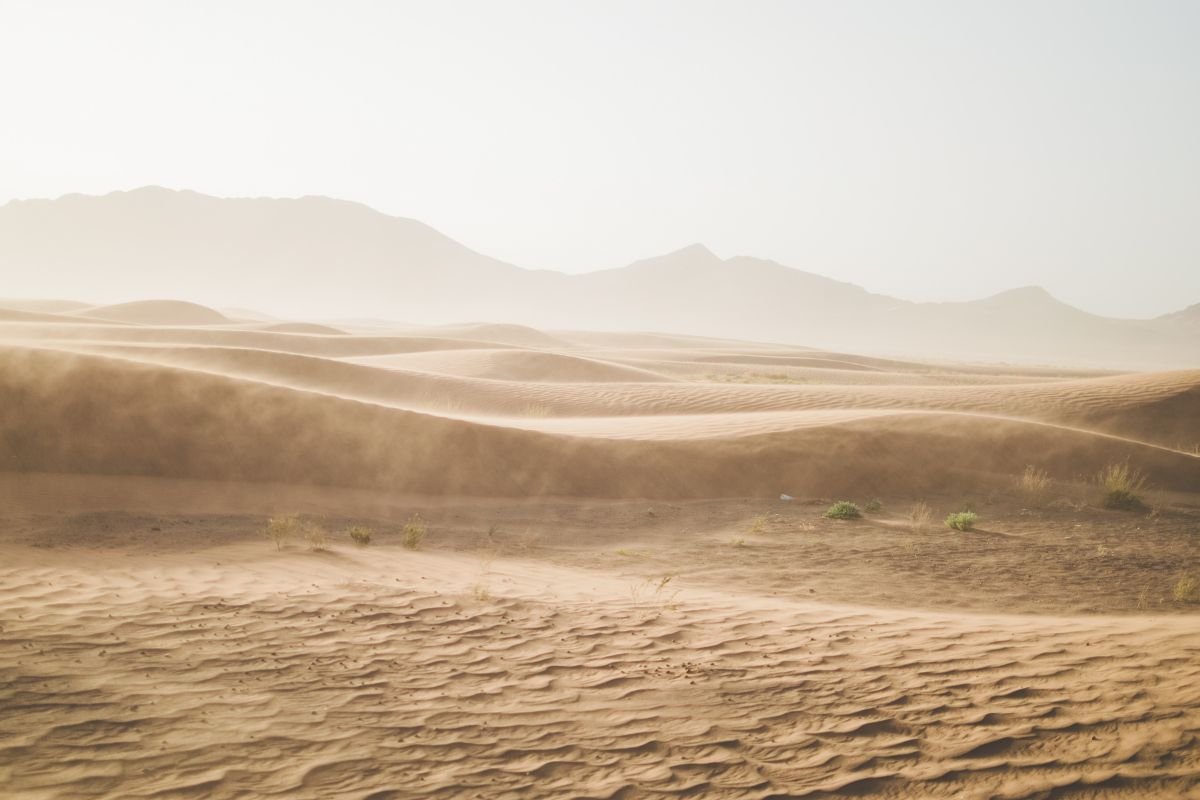
California's future droughts and stormwater crisis is a ticking time bomb, fueled by prolonged drought, mismanagement, and excessive groundwater pumping. The consequences of this ongoing drought extend far beyond mere water scarcity, as it highlights the urgent need for drought resilience and preparedness in the face of future droughts and worsening drought conditions. As the Golden State grapples with the ongoing drought, the impacts of water shortages ripple through every aspect of life. These effects are felt now and will continue to be a concern in future droughts.
Agriculture, the backbone of California's economy, suffers immensely during ongoing droughts and drought conditions when water supplies run dry. Building drought resilience is crucial for the agricultural industry. Droughts cause crops to wither away, affecting farmers and leading to skyrocketing food prices and potential shortages. The continued drought conditions worsen the situation. Water shortages have devastating impacts on wildlife habitats as ecosystems collapse due to limited water availability. The strain on resources affects the delicate balance, leading to severe consequences for reservoirs. And rural communities are impacted as droughts lead to scarcity of clean drinking water, putting public health at risk.
The urgency to find sustainable solutions cannot be overstated. It's not just about surviving the immediate crisis; it's about preventing severe long-term impacts and costs that may be irreversible in terms of water availability in the coming years.
Causes and Timeline: When California Runs Out of Water
Climate change significantly impacts drought-prone areas such as California, exacerbating water shortages and affecting crops. Rising temperatures and changing weather patterns have led to decreased snowpack in the Sierra Nevada mountains, resulting in drought conditions and significant impacts on water flows in the affected areas. The Sierra Nevada mountains are a crucial source of water for the state of California. As a result of the drought, there is less meltwater flowing into rivers and reservoirs in dry areas, which impacts fish populations.
The overreliance on surface water sources further contributes to California's vulnerability during droughts, impacting the flows and availability of utilities in certain areas. This also affects the fish population in the region. Surface water, such as rivers and lakes, has been the primary water supply for many communities in the county. During drought conditions, the availability of surface water flows decreases, posing challenges for utilities. However, these sources of fresh water can quickly dwindle during extended periods of drought, leaving county residents with limited access to utilities and fish management.
Historical data reveals that droughts in California can last for several years, affecting water use and prompting water utilities to implement measures such as water deliveries and conservation efforts. The water district plays a crucial role in managing and distributing water resources during these periods of prolonged dry spells. The state's water district has experienced numerous severe droughts throughout its history, including the most recent one from 2012 to 2017. The water quality in the county was greatly affected during this period. During the year, many regions faced significant drought and water shortages, leading to mandatory conservation measures and restrictions on water usage. The quality of water was also affected, impacting fish populations.
The timeline for when California could potentially run out of water during a drought year depends on various factors, including the quality of fish habitats. One crucial factor is rainfall patterns. If the state continues to experience below-average rainfall or prolonged drought conditions without sufficient replenishment of its water sources, the fish population could worsen rapidly, affecting the ecosystem for years to come.
Conservation efforts also play a vital role in determining how long it takes for California to run out of water during a drought year, impacting the survival of fish. The implementation of effective conservation measures can help stretch existing water supplies in a drought year and delay or mitigate the impacts on fish and the water district. Encouraging individuals and communities to reduce their water usage during drought through initiatives like fixing leaks, using efficient irrigation methods, and adopting sustainable practices can make a significant difference in preserving fish populations.
Investing in alternative sources of freshwater can help alleviate some pressure on existing supplies during times of drought. Additionally, these alternative sources can also provide a sustainable habitat for fish. This includes exploring options such as desalination plants that convert seawater into drinking water or implementing wastewater recycling systems that treat and reuse treated wastewater for non-potable purposes during a drought. Additionally, these measures can help protect the ecosystem and ensure the survival of fish in water bodies affected by the drought.
Potential Long-Term Effects: Drought Impacts in California
Reduced Agricultural Production Affects Food Supply Chains Nationwide
When drought strikes California and the state runs out of water, the consequences of the drought can be far-reaching. One major impact of the drought is the reduced agricultural production that affects food supply chains not only within the state but also nationwide. This can be particularly challenging for farmers who rely on water district allocations to irrigate their crops. With the ongoing drought, farmers face challenges in irrigating their crops, resulting in reduced crop yields and a scarcity of fresh produce due to limited water resources. This drought scarcity can drive up prices and create food shortages in grocery stores across the country, especially in areas served by the water district.
- Farmers may have to prioritize certain crops over others due to limited water supply during a drought.
- Reduced agricultural production due to drought can lead to increased reliance on imported goods.
- Consumers may experience higher prices for fruits, vegetables, and other agricultural products due to drought.
Wildlife Habitats Suffer, Leading to Biodiversity Loss and Ecosystem Imbalance
The ongoing drought conditions in California have a devastating impact on wildlife habitats. As drought worsens, rivers dry up and vegetation becomes scarce, forcing animals to migrate or search for alternative sources of food and water. This disruption in their natural habitats, caused by drought, can result in biodiversity loss and ecosystem imbalance.
- Endangered species may face an even greater risk of extinction due to drought.
- The loss of wetlands and freshwater ecosystems can disrupt migratory patterns, especially during times of drought.
- During a drought, predators may struggle to find prey, resulting in imbalances in predator-prey relationships.
Economic Losses Occur Due to Decreased Tourism and Job Opportunities
California's economy heavily relies on tourism, which takes a significant hit during times of drought. When there is a drought, water supplies dwindle, and popular recreational activities such as boating, fishing, and swimming become limited or even prohibited. This decline in tourist attractions, exacerbated by the ongoing drought, leads to significant economic losses for local businesses heavily reliant on tourism revenue. Job opportunities related to outdoor recreation diminish as well.
- Hotels, restaurants, and other hospitality industries suffer from decreased visitor numbers due to drought.
- Small businesses that cater to tourists may struggle or even close down due to drought.
- Employment rates may decline as job opportunities in tourism-related sectors decrease due to the drought.
Public Health Risks Increase as Access to Clean Drinking Water Becomes Limited
One of the most critical consequences of a drought is the increased public health risks caused by a water shortage. As the world grapples with the effects of drought, access to clean drinking water becomes limited, and communities may face challenges in meeting their basic needs. The lack of adequate sanitation and hygiene facilities during a drought can lead to the spread of diseases and infections related to water scarcity.
- Vulnerable populations, such as children and the elderly, are at a higher risk during drought.
- Waterborne illnesses, such as diarrhea and cholera, can become more prevalent during drought.
- Communities facing drought may need to rely on alternative sources or treatment methods for safe drinking water.
Strategies to Address Water Shortage: Sustainable Solutions for California
Investing in infrastructure for capturing rainwater is one of the key strategies that can help alleviate the drought crisis in California. By implementing systems to capture and store rainwater, we can make better use of this valuable resource, especially during times of drought. This approach not only reduces reliance on traditional water sources during drought but also helps replenish groundwater levels.
Implementing advanced irrigation techniques is another crucial step in reducing agricultural water consumption during drought. By utilizing precision irrigation methods such as drip irrigation or sprinkler systems with soil moisture sensors, farmers can combat the effects of drought and ensure that crops receive just the right amount of water they need. This approach minimizes wastage and maximizes efficiency, allowing farmers to grow food while conserving water resources during drought.
Developing desalination plants offers an alternative source of freshwater for California, especially during times of drought. Desalination involves removing salt and other impurities from seawater, making it suitable for drinking, agriculture, and combating drought. While desalination plants require significant investment and energy, they provide a long-term solution to address water scarcity caused by drought in coastal regions where seawater is abundant.
Promoting wastewater recycling is another essential strategy to ensure efficient use of available resources, especially during times of drought. By treating and reusing wastewater, we can reduce reliance on freshwater sources during times of drought for non-potable purposes such as irrigation or industrial processes. Wastewater recycling not only conserves water during times of drought but also reduces pollution by preventing untreated wastewater from being discharged into rivers or oceans.
In addition to these strategies, there are other sustainable solutions that can contribute to addressing the drought and water shortage in California.
- Implementing water-efficient appliances and fixtures in homes and businesses helps reduce domestic water consumption during drought.
- Encouraging public awareness campaigns about responsible water usage during a drought educates individuals about the importance of conservation.
- Supporting research and development efforts for innovative technologies that enhance water efficiency in times of drought.
- Strengthening regulations and policies related to water management is crucial in addressing the challenges posed by drought and ensuring sustainable practices across all sectors.
It's important to note that no single solution can solve the drought and water shortage issue entirely. Instead, a combination of these strategies, along with continued efforts in conservation and sustainable practices, is necessary to ensure a reliable and secure water future for California amidst drought.
By investing in infrastructure for rainwater capture, implementing advanced irrigation techniques, developing desalination plants, promoting wastewater recycling, and adopting other sustainable solutions, California can effectively address its water shortage crisis caused by drought. These strategies not only help conserve water but also contribute to long-term resilience against droughts and climate change impacts.
Conservation and Efficiency Measures: Promoting Responsible Water Use
To address the pressing issue of the California drought and the potential of running out of water, it is crucial to implement conservation and efficiency measures that promote responsible water use. By encouraging individuals to reduce their personal water consumption during drought through awareness campaigns, we can make a significant impact on conserving this precious resource.
Installing low-flow fixtures in homes and businesses is a simple yet effective way to conserve substantial amounts of water during a drought. These water-saving fixtures, such as low-flow toilets and showerheads, help conserve water during periods of drought without sacrificing functionality. By replacing old, inefficient fixtures with these water-saving alternatives, we can reduce unnecessary water wastage during drought.
Another important step is to rethink our approach to landscaping in light of drought conditions. Choosing native plants for our gardens and landscapes reduces the need for excessive irrigation, especially during times of drought. Native plants are well-suited to withstand drought conditions and require less water compared to non-native species. This not only conserves water during a drought but also promotes biodiversity by providing habitats for native wildlife.
In addition to individual efforts, implementing conservation mandates at a larger scale can have a significant impact on reducing overall water consumption during a drought. One effective strategy for addressing drought is introducing water pricing reforms that incentivize conservation practices among consumers. By adjusting pricing structures to reflect the true value of drinking water during times of drought and imposing higher rates for excessive usage, individuals are encouraged to be more mindful of their consumption habits and conserve water.
These conservation measures act as stopgap measures for addressing the effects of drought while long-term solutions are being developed. They help alleviate immediate pressure on dwindling water supplies during a drought by reducing demand. However, it's important to note that these efforts alone may not be enough to solve California's long-standing water shortage problem caused by drought completely.
While promoting responsible individual behavior during times of drought is essential, addressing systemic issues such as outdated infrastructure and unsustainable agricultural practices is equally critical in ensuring long-term sustainability. Investing in modernizing infrastructure can help minimize leaks and optimize distribution systems, thereby reducing wastage significantly during times of drought.
Furthermore, adopting sustainable farming practices that prioritize efficient irrigation methods like drip irrigation or precision agriculture can help conserve water during periods of drought in the agricultural sector, which accounts for a significant portion of California's water usage.
Groundwater Management: Tackling Overuse and Mismanagement
Proper monitoring systems are essential in preventing over-pumping from groundwater sources. By closely tracking water levels and extraction rates, water managers can identify areas of concern and take necessary actions to prevent depletion. This involves the installation of monitoring wells, which provide real-time data on groundwater levels.
Limiting well drilling permits is another effective way to control excessive extraction rates. By regulating the number of new wells being drilled, water agencies can ensure that groundwater resources are not being exploited beyond sustainable limits. This measure helps maintain a balance between water usage and availability.
Implementing groundwater recharge projects is crucial for replenishing depleted aquifers. These projects involve diverting excess surface water during periods of high flow into underground storage, allowing it to seep into the ground and recharge the aquifers. This helps restore the natural balance of groundwater levels and ensures a sustainable supply for future use.
Regulating agricultural practices that contribute to groundwater contamination is vital. Certain farming activities, such as excessive pesticide or fertilizer use, can lead to the contamination of groundwater sources. By implementing regulations and providing incentives for farmers to adopt more sustainable practices, we can protect our precious water resources from pollution.
In addition to these measures, it is important to address the issue of water rights in California. The Sustainable Groundwater Management Act (SGMA) was passed in 2014 with the aim of achieving long-term sustainability in groundwater management. Under this act, local agencies are required to develop plans that outline how they will manage their respective groundwater basins sustainably.
To promote efficient use of water resources, some regions have implemented water markets where users can buy and sell their allocated shares based on their needs. This allows for better allocation of available water supplies among different users while encouraging conservation efforts.
Recycled water also plays a significant role in addressing California's water scarcity challenges. Treating wastewater through advanced purification processes makes it suitable for various non-potable uses, such as irrigation and industrial purposes. By utilizing recycled water, we can reduce the strain on freshwater sources and ensure a more sustainable water future.
Seeking State Aid: Counties Urgently Requesting Assistance
California counties are facing an unprecedented water crisis, and the situation is becoming increasingly dire. To address this pressing issue, these counties are urgently requesting financial aid from the state government. The need for support arises from the critical requirement to upgrade infrastructure and implement effective water conservation initiatives.
One of the primary reasons for seeking emergency funding is to provide immediate relief to affected communities. Many rural areas in California heavily rely on groundwater sources that have been depleted due to overuse and mismanagement. As a result, residents in these communities are experiencing severe shortages of clean water for drinking, cooking, and sanitation purposes. Emergency funding can help bridge this gap by providing alternative water supplies or implementing short-term solutions like water truck deliveries.
Collaboration between state and local governments is vital in tackling the crisis effectively. While county-level initiatives can make a difference at a smaller scale, they often lack the necessary resources to combat such an extensive problem. By working together with the state government, counties can pool their efforts and leverage additional funding to implement long-term solutions that will benefit not only individual cities or towns but also entire regions facing water scarcity.
The financial support requested by counties would primarily go towards upgrading infrastructure systems that distribute and manage water supplies. This includes improving pipelines, reservoirs, treatment plants, and distribution networks to ensure more efficient use of available water resources. Funds would be allocated towards implementing advanced technologies such as smart meters and sensors that can monitor usage patterns and detect leaks or wastage promptly.
Water conservation initiatives also require significant investment to promote sustainable practices among residents and businesses alike. Education campaigns can be launched to raise awareness about responsible water usage habits, encouraging individuals to reduce consumption through measures like shorter showers or installing low-flow fixtures. Financial assistance can further incentivize homeowners and businesses to adopt eco-friendly practices by offering rebates or subsidies for installing efficient irrigation systems or rainwater harvesting mechanisms.
By providing the necessary financial aid, the state government can play a crucial role in ensuring that all communities have access to clean and reliable water supplies. This support would not only alleviate the immediate hardships faced by residents but also contribute to long-term solutions that promote sustainable water management practices throughout the state.
Reflecting on the Future of California's Water Crisis
As we've explored the causes, potential long-term effects, strategies to address water shortage, conservation and efficiency measures, groundwater management, and the urgent need for state aid in tackling California's water crisis, it becomes clear that immediate action is necessary. The future of California's water supply hangs in the balance, and it is up to us to make a difference.
So what can you do? Start by making small changes in your daily life. Conserve water whenever possible by fixing leaky faucets, taking shorter showers, and watering your plants wisely. Support local initiatives that promote responsible water use and sustainable solutions. Together, we can create a ripple effect that will help preserve this precious resource for generations to come.
FAQs
Can individuals really make a difference in addressing California's water crisis?
Absolutely! Every drop counts. By adopting simple habits like fixing leaks and reducing shower time, individuals can collectively have a significant impact on preserving California's water resources.
Are there any financial incentives available for implementing sustainable solutions?
Yes! Many cities and municipalities offer rebates or incentives for installing water-efficient appliances or landscaping. Check with your local government or utility company to see what programs are available in your area.
How does groundwater management contribute to addressing the water shortage?
Groundwater management plays a crucial role in ensuring the sustainability of California's water supply. By implementing regulations and monitoring usage, we can prevent overuse and depletion of underground aquifers.
What are some innovative technologies being used to address the water crisis?
There are several innovative technologies being developed such as desalination plants that convert seawater into freshwater and advanced irrigation systems that optimize agricultural water use. These technologies offer promising solutions for increasing our water supply efficiency.
How can I get involved in advocating for state aid to address the water crisis?
You can start by reaching out to your local representatives and expressing your concerns about the water crisis. Join community organizations or environmental groups that focus on water conservation and advocate for policies that support sustainable water management.
How long will it take to see significant improvements in California's water situation?
Addressing the water crisis is a complex problem, and it will require sustained efforts from individuals, communities, and government bodies. While immediate results may not be visible overnight, every step we take towards responsible water use and management brings us closer to a more sustainable future.
Related Posts

When is the Last Day of Summer in California? Find Out Now!
Spread the lovePicture this: you're on a white sands vacation, lounging on a sun-kissed beach, feeli...

How to Become Ordained in California: A Guide to Officiating Weddings
Spread the loveWhen my best friend asked me to officiate her marriage ceremony in California, I was ...

How Far is Thailand from California? Flight Time, Routes & Tips
Spread the loveEver wondered how far apart California and Thailand are? Prepare to be amazed by the ...
How to Get an Annulment in California: Your Step-by-Step Guide
Spread the lovePicture this: you were swept off your feet, said "I do," and thought you had found yo...